Lecture 2.1

Institutions and Development

Emmanuel Teitelbaum

Institutions

What is an Institution?


“Humanly devised constraints that structure political, economic and social interaction. They consist of both informal constraints (sanctions, taboos, customs, traditions and codes of conduct), and formal rules (constitutions, laws, property rights).”

    - Douglas North

Inclusive Institutions

  • Inclusive institutions…“allow and encourage participation by the great mass of people in economic activities that make the best use of their talents and skills and enable individuals to make the choices they wish.”
  • Economic: private property, unbiased legal system, banks, legally binding contracts, etc.
  • Political: can take a variety of forms but must be pluralistic (constrained) with centralized and powerful state

Extractive Institutions

  • Extractive institutions are…“designed to extract incomes and wealth from one subset of society to benefit a different subset.”
  • Economic: limited or non-existent property rights, biased legal system, slavery
  • Political: absolutist, repressive, may or may not be centralized

Key Arguments

  • Hypothesis 1: Inclusive economic institutions promote investment and economic growth, while extractive institutions discourage investment and hamper economic growth

  • Hypothesis 2: Inclusive political institutions encourage the development of inclusive economic institutions and vice-versa

Additional Considerations

Distribution of Authority

Acemoglu & Robinson, figure 3

Persistence and Change

  • Why do extractive institutions persist?
    • Industrial progress threatens the interests of dictators and other elites
    • Polany’s “double movement”
    • Schumpeter’s theory of “creative destruction”
  • When do institutions change?
    • Critical junctures (and small differences)
    • e.g. disease \(\rightarrow\) shift in labor market dynamics
    • Revolution gives a group new power

Reversal of Fortunes

  • Extractive institutions make a region wealthy in one period, but poor in the next
  • Examples?

Comparisons and Cases

North Korea vs. South Korea

North Korea nighttime lights

The United States vs. Mexico

Nogales Sonora (left), Nogales Arizona (right) in 2021

Regime Shifts

Acemoglu & Robinson, Figure 4

Zimbabwe, South Africa & China

Source: Maddison Project Database, version 2018.

Growth Under Dictators

Some Famous Dictators

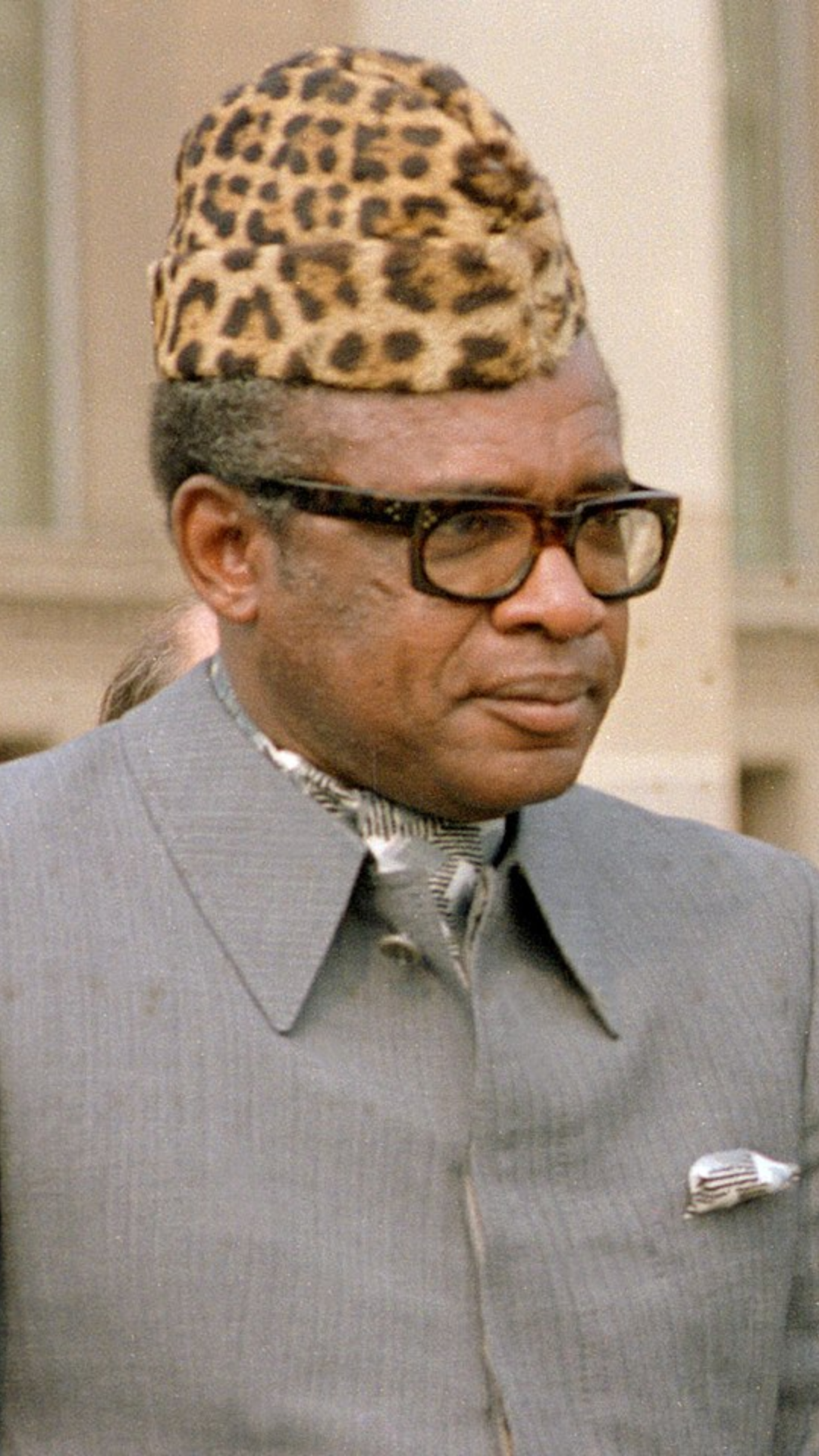
Mobutu Sese Seko

Park Chung Hee

Nikita Khrushchev

Growth Under Famous Dictators

Source: Maddison Project Database, version 2018.

Growth Under Repressive Regimes

  • Growth under extractive institutions is possible
    • When elite funnel resources to high productivity areas (e.g. USSR)
    • When authoritarian regimes permit inclusive economic institutions (e.g. S. Korea under Park, China)
  • But this growth is inherently limited
    • Lack of incentives for innovation and production
    • Resistance to creative destruction
    • Infighting among the elite

Discussion

  • Pick one country that you think has inclusive institutions and one with extractive institutions
  • Based on that country’s history and A&R’s theory, what do you expect it economic performance to have been over the past half century?
  • Visit the World Development Indicators
  • Select your countries
  • Select GDP per capita in constant US$
  • Select all the years
  • Update and select “Chart”
  • Do your countries fit your expectations? A&R’s theory?
  • If there are discrepancies, why do you think that is?

Remaining Challenges

Extractive Institutions in the U.S.

National Memorial for Peace and Justice

What About Colonialism?

Girls rolling roads in India, 1930

Economic Impact of Colonialism

Source: Maddison Project Database, version 2018.
Endogeneity

  • A relationship is “endogenous” when the direction of causality is unclear
  • A&R hypothesize that inclusive institutions drive development
  • But could inclusive institutions be the result of development?
  • Or could there be a third factor driving both?
    • What are some possibilities?